


Sign In to Your Account Safely Every Single Time

Logging into a gaming platform seems like the easiest part of the whole experience, until a forgotten password, a suspicious login alert, or a locked account turns a two-second task into a frustrating ordeal.
Getting into the habit of signing in securely protects more than convenience. It protects the personal and financial information tied to the account. Whether someone is trying to sign in to your MZPLAY account or any similar platform, a few consistent habits make all the difference between a smooth login and a stressful one.
Start With a Password That Actually Holds Up
Weak passwords remain one of the most common ways accounts get compromised. A password that reuses a birthday, a pet’s name, or a string already used on another site gives attackers an easy opening.
A stronger approach combines a mix of characters with no obvious personal connection. Password managers make this painless, since they generate and store complex passwords without requiring anyone to memorize them.
Enable Two-Factor Authentication Immediately
Two-factor authentication adds a second checkpoint beyond the password, usually a code sent to a phone or generated by an authenticator app. Even if a password leaks somewhere else, this extra step stops most unauthorized login attempts cold.
Setting it up takes only a few minutes during account creation or in the security settings menu. It’s one of the highest-value security steps available to any user.
Watch Where You’re Logging In From
Public Wi-Fi networks at cafes, airports, or hotels are convenient, but they’re also a common target for attackers looking to intercept unsecured traffic. Signing into a gaming account over public Wi-Fi without a VPN leaves login credentials more exposed than most people realize.
Save sensitive logins for a private, trusted network whenever possible. If public Wi-Fi is unavoidable, a VPN adds a meaningful layer of protection.
Bookmark the Real Login Page
Fake login pages designed to mimic legitimate platforms are a persistent problem in the gambling and gaming space. These phishing pages often arrive through ads, unsolicited messages, or search results that look almost identical to the real thing.
Bookmarking the correct login URL after verifying it once removes the guesswork from future visits. It also prevents accidental clicks on a lookalike domain during a rushed moment.
Pay Attention to Login Notifications
Most platforms send a notification or email whenever a new device logs into an account. These alerts are easy to ignore, but they’re one of the fastest ways to catch unauthorized access before it causes real damage.
Reading through login notifications takes only a moment. Reporting anything unfamiliar right away can stop a compromised account from being drained.
Log Out on Shared or Borrowed Devices
It’s tempting to skip the logout step when using a friend’s phone or a shared family computer just to check something quickly. That shortcut leaves the account open to whoever uses the device next.
Making logout a reflex, not an afterthought, closes a surprisingly common security gap. Most platforms also offer a “log out of all devices” option in account settings, worth using after borrowing someone else’s device.
Keep Recovery Information Current
Recovery emails and phone numbers exist for a reason, but they only work if they’re accurate. An outdated recovery email tied to an account that’s no longer accessible can turn a simple password reset into a drawn-out support ticket.
Reviewing recovery details every few months keeps the account genuinely recoverable, not just technically set up.
Recognize the Signs of a Phishing Attempt
Messages claiming there’s an urgent problem with an account, paired with a link asking for a password, are a classic phishing tactic. Legitimate platforms rarely ask for a password through email or text.
Hovering over a link before clicking, or typing the platform’s URL manually instead of clicking through a message, sidesteps this entire category of scam.
Why Login Security Connects to a Bigger Trend
Account security habits matter more as gaming and betting experiences continue to blend together. Interactive dashboards, live leaderboards, and social features mean accounts often hold more personal data and financial history than a simple login screen suggests.
That shift has changed how platforms design their login and account experience. It’s part of a broader pattern explored in coverage of how high roller roulette bridges video games and betting, which looks at how immersive, game-like features are reshaping expectations around online casino play.
Secure login habits are a small but essential piece of staying comfortable within that evolving landscape.
Small Habits, Real Protection
None of these steps require technical expertise. A strong password, two-factor authentication, a bookmarked login page, and a habit of logging out on shared devices cover most of the ground needed to keep an account safe.
Building these into a routine takes very little effort once they become automatic. The payoff is an account that stays protected, session after session, without adding friction to the parts of the experience meant to be enjoyable.



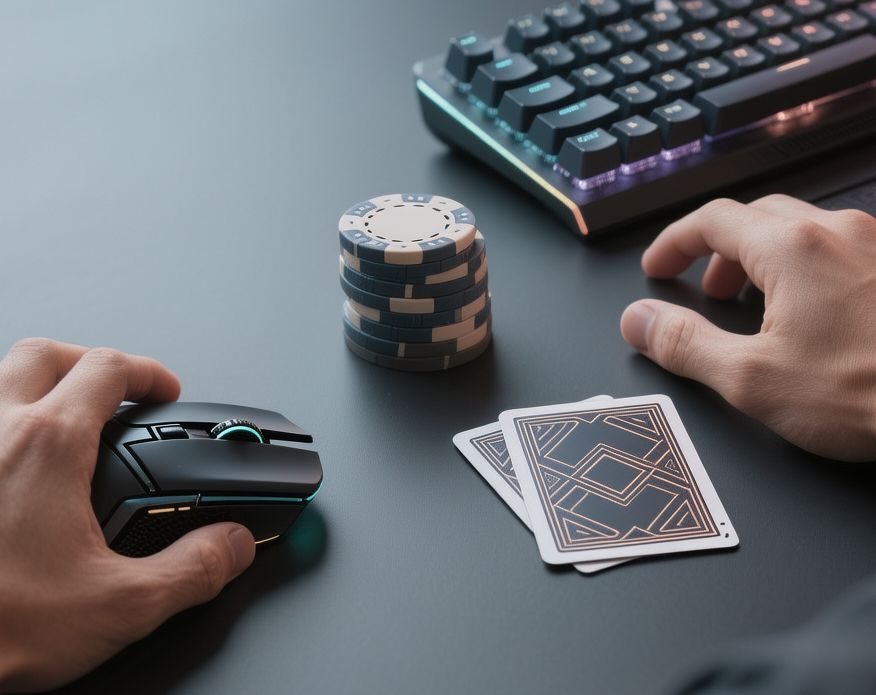
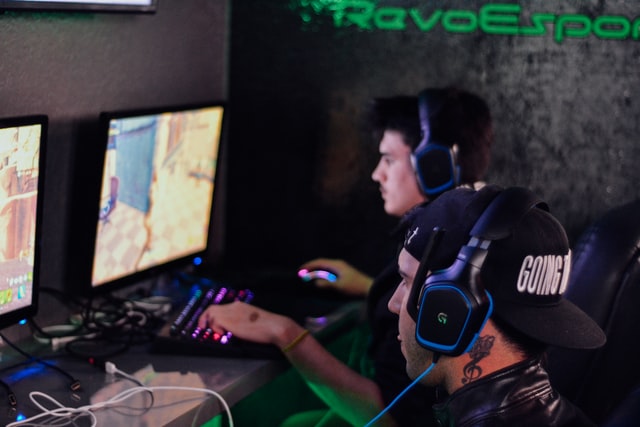
 One example is the meteoric rise of esports, or competitive video gaming. Esports betting has also grown in popularity with the rise of professional leagues and large prize pools. Bettors here do what they would in a more conventional sportsbook: they stake on the results of games. This makes me nervous, especially regarding the possibility of match-fixing and the influence gambling could have on young spectators.








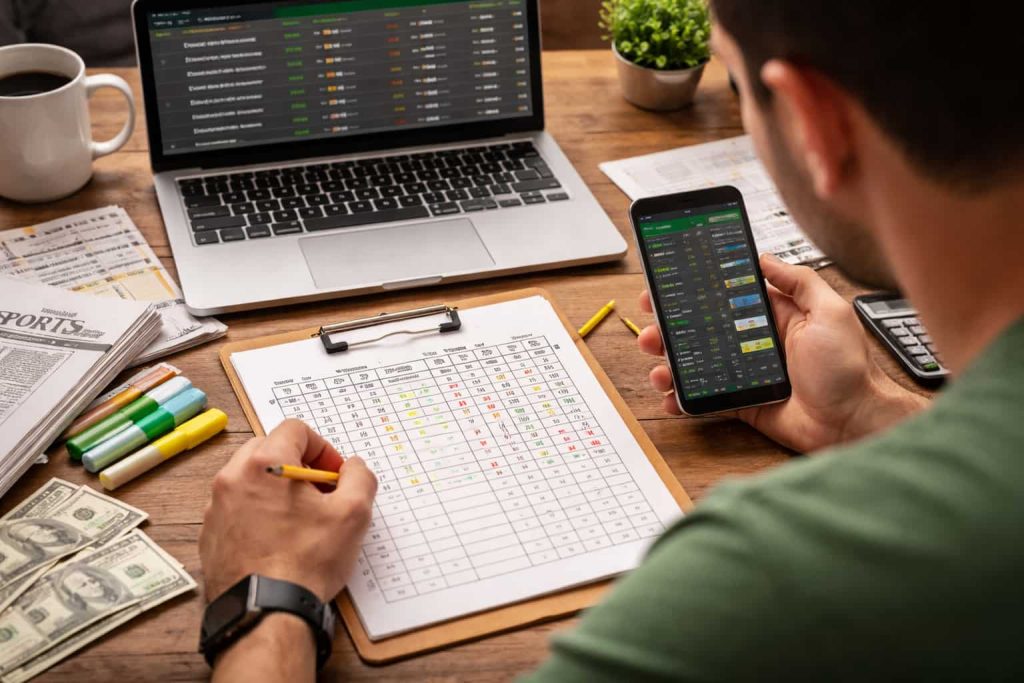 You don’t need expensive software, APIs, or custom dashboards to track Closing Line Value. You need consistency, a basic system, and the discipline to record numbers honestly. Many sharp bettors started with nothing more than a spreadsheet and a habit and that’s still enough today, whether you’re checking prices manually or logging wagers alongside a quick Nacional Bet login before kickoff. What matters isn’t how polished your setup looks. It’s whether it captures the right information and lets you see patterns over time. Here’s how to track CLV manually, without overcomplicating it. Before tools, get the concept straight. CLV compares: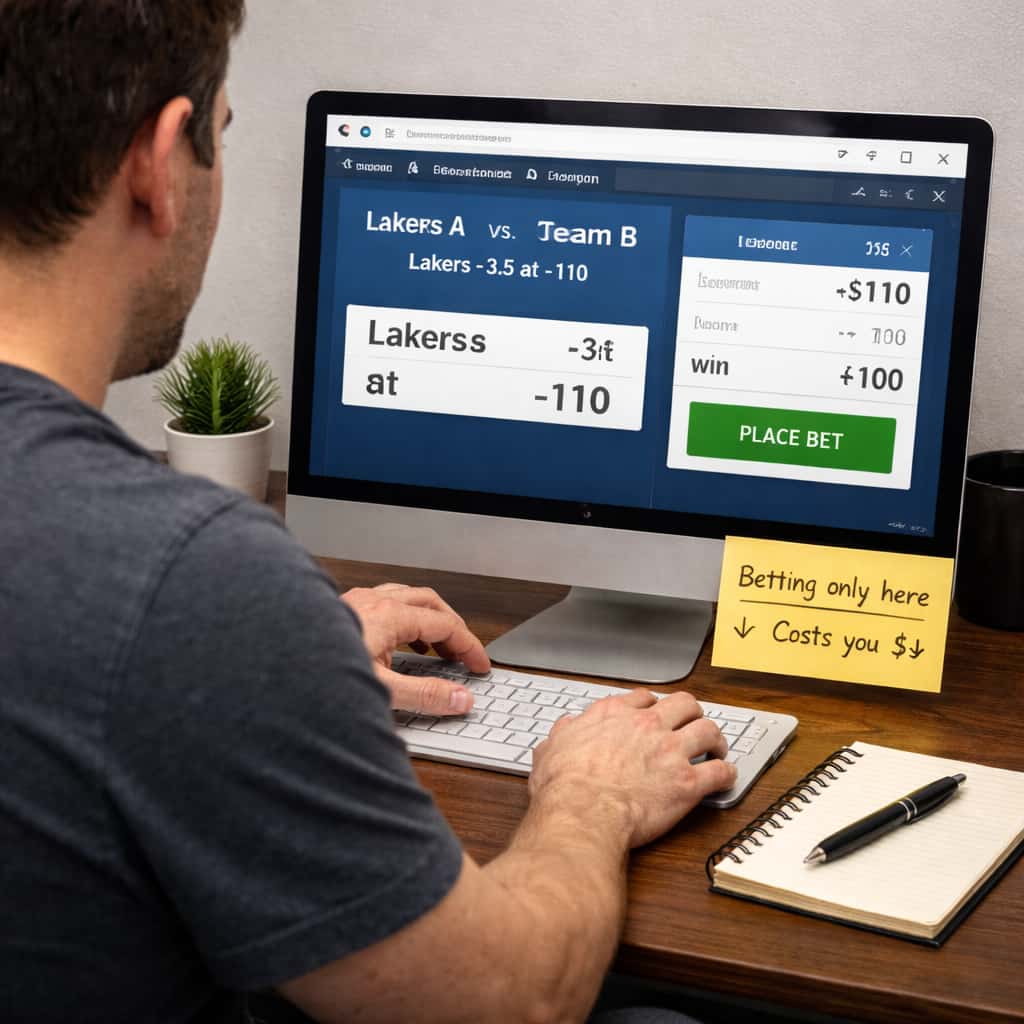







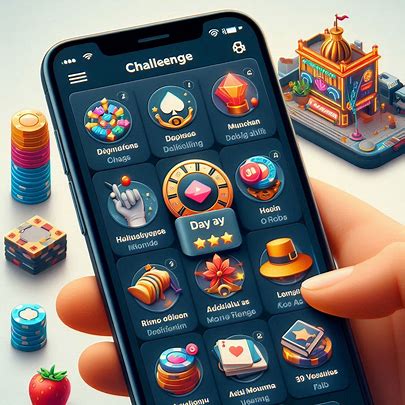




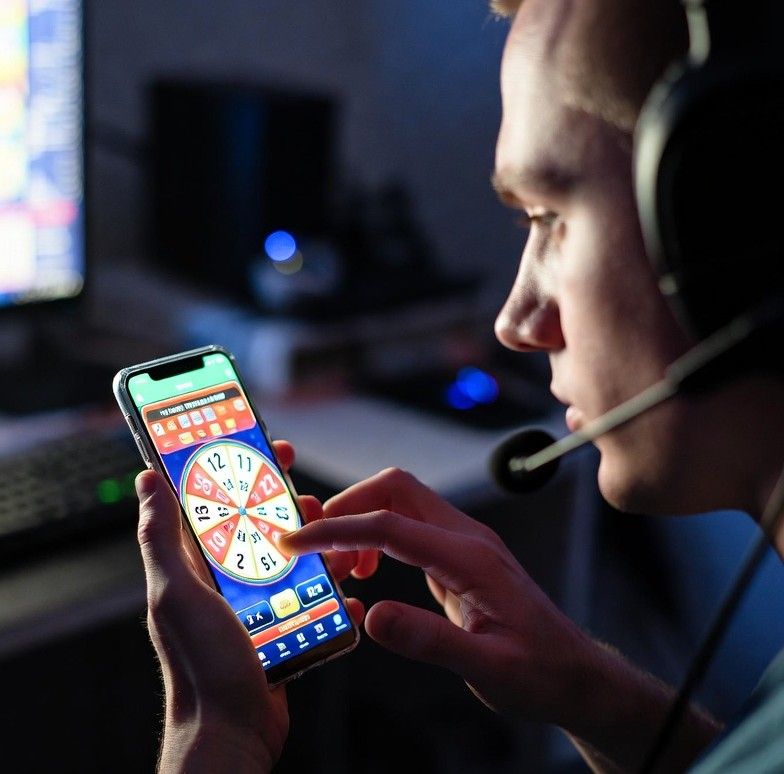
 Sinar 303 Lottery Bo presents a distinctive gambling experience combining betting techniques with aspects of classic video games. Gamers can engage in several games and contests and gamble on their performance and results. Since players fight for real-world prizes in addition to in-game benefits, this lends even more thrills and interaction.