
Fishing Games and Mini-Games: Where Video Game Design Meets Betting Mechanics
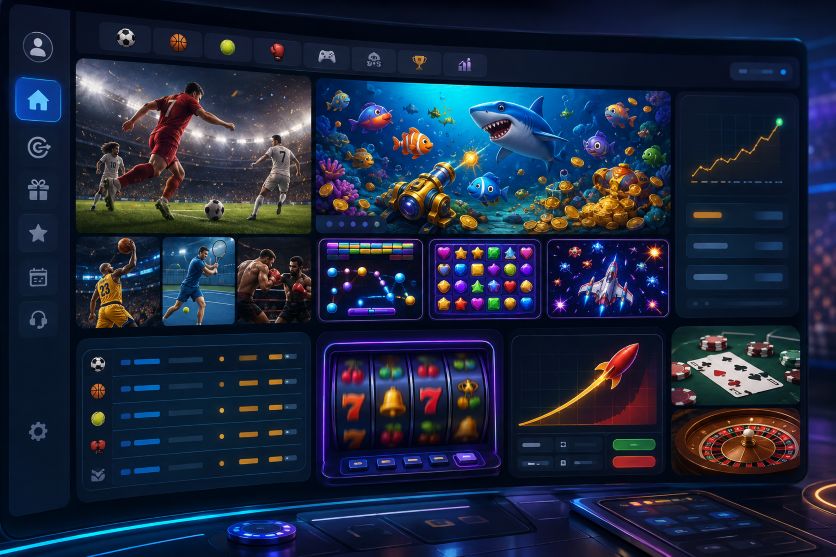
Fishing-style games, arcade mini-games, and crash-inspired titles have become common additions to many online betting platforms over the past decade. Industry reports from H2 Gambling Capital and market research published by Grand View Research indicate that operators increasingly diversify their game libraries to appeal to different entertainment preferences while keeping users within a single platform.
One example is MZ login, which illustrates how some platforms provide access to multiple game categories through a unified account system. Instead of offering only traditional casino products, many services now combine fishing games, arcade-style experiences, and other interactive titles alongside sports betting and table games, reflecting a broader trend identified by KPMG and Deloitte in digital gambling markets.
The growing popularity of these hybrid titles has sparked an ongoing discussion. Some observers argue that their colorful graphics and interactive mechanics resemble ordinary video games. Others point out that the presence of monetary wagering fundamentally changes how they should be classified. The following examples explore both perspectives without attempting to settle the debate.
1. Fishing Games Feel Familiar to Video Game Players
Fishing games often place players in animated underwater environments where they control cannons or similar tools to target moving sea creatures. Bright visuals, sound effects, score counters, and progressive stages resemble mechanics found in arcade games.
Supporters of the “video game” viewpoint note that these titles rely heavily on player interaction, timing, and visual engagement. However, critics emphasize that when real money is involved, the entertainment layer exists within a gambling framework rather than a standalone gaming experience. Research published by The Gambling Commission (UK) notes that wagering remains the defining characteristic regardless of presentation.
2. Mini-Games Blur Traditional Categories
Many betting platforms now include collections of mini-games that feature simple controls, short play sessions, and fast results. Their design resembles casual mobile games that millions of people play every day.
From one perspective, these games reduce complexity and create familiar user experiences. From another, their outcomes remain linked to wagers, making them distinct from conventional mobile entertainment. Reports from PwC suggest that gamification techniques have become increasingly common across many digital industries, including online gambling.
3. Crash-Style Titles Combine Simple Design With Betting Mechanics
Crash-style games generally feature minimal graphics and straightforward gameplay. A multiplier increases until a random stopping point, creating a format that differs visually from slot machines or card games.
Some analysts compare these titles to reaction-based video games because they involve simple interfaces and immediate feedback. Others argue that the random outcome generated by the wagering system places them firmly within gambling products. Studies from The University of Nevada, Las Vegas International Gaming Institute describe these games as examples of evolving digital gambling formats rather than traditional video games.
4. Progression Systems Look Like Modern Gaming
Many hybrid titles include achievements, unlockable content, seasonal events, cosmetic rewards, or ranking systems. These mechanics are widely used across mainstream video games to encourage continued participation.
Critics of this design approach argue that layering familiar gaming elements onto wagering products can make the overall experience feel closer to entertainment software than traditional betting activities. Supporters respond that these features simply improve user experience without changing the underlying nature of the product. Similar discussions appear in research from The UK Gambling Commission concerning gamification trends.
Across many platforms, including services that provide unified account access similar to an integrated betting portal, developers continue experimenting with features borrowed from modern video game design while operating within regulated gambling environments.
5. Visual Presentation Shapes User Perception
Modern hybrid games often feature animated characters, cinematic effects, colorful environments, and detailed sound design. These production values closely resemble those found in commercial video games.
Those who see similarities argue that presentation influences how users interpret the experience. Others counter that visual style should not determine classification because wagering mechanics remain the central activity. Research from McKinsey & Company highlights how user interface design increasingly shapes engagement across many digital industries. Readers interested in exploring the growing overlap between video games and betting platforms can also examine how game-inspired mechanics continue to influence the design of modern wagering products.
6. Random Outcomes Separate Them From Traditional Video Games
Many conventional video games reward practice, planning, and learned skill. Hybrid betting games, by contrast, typically rely on certified random number generators or other approved systems to determine outcomes.
This distinction forms one of the strongest arguments for treating these products differently. Regulatory bodies such as the Malta Gaming Authority require licensed operators to use tested random systems that function independently of player actions.
7. Regulation Often Follows the Wager, Not the Graphics
Perhaps the clearest distinction comes from regulation itself. Around the world, licensing authorities generally classify products according to whether real-money wagering takes place rather than how closely they resemble video games.
Organizations including the UK Gambling Commission, Malta Gaming Authority, and various national regulators establish licensing, consumer protection, fairness testing, and responsible gambling requirements based on betting activity. This approach suggests that attractive graphics or arcade mechanics alone do not determine legal classification.
A Continuing Debate
The discussion surrounding fishing games, mini-games, and crash-style titles remains open. Their presentation borrows heavily from modern video games, yet their wagering systems place them within gambling regulation in many jurisdictions. Both perspectives raise reasonable points, and industry observers continue examining how digital entertainment evolves as technology advances.
Because these products involve real-money wagering, responsible gambling remains important. The World Health Organization and National Council on Problem Gambling encourage individuals to set limits, recognize signs of harmful gambling behavior, and seek support if gambling stops being a form of entertainment.
As betting platforms continue expanding their game libraries, integrated account systems and broader digital gambling ecosystems will likely remain part of the conversation. Whether hybrid titles are viewed primarily as video game-inspired experiences or gambling products may continue to depend on technological developments, regulation, and public expectations.